Pregnancy Through Trimesters: What to Expect & How to Prepare
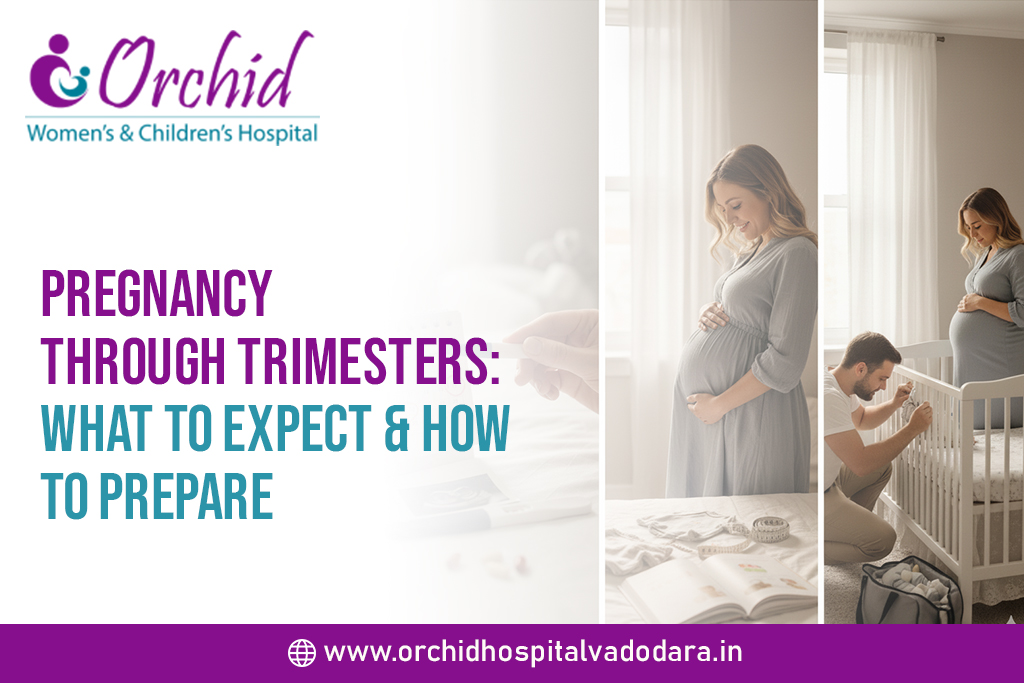
Pregnancy is defined as the period when a fetus grows inside the uterus of a woman. It lasts for 40 weeks and is divided broadly into three trimesters. A pregnancy is usually indicated by a missed period and the occurrence of pregnancy-associated symptoms like nausea and dizzy episodes. However, it is recommended to confirm this with a blood test. It is necessary to consult an expert gynecologist from the very start of the pregnancy to the end. In this blog, we will focus on the trimester-wise progress of a fetus and also provide tips on how you can be prepared for challenges.
How Does a Pregnancy Occur?
A pregnancy results from the fertilization of an ovum and a sperm inside the fallopian tube, followed by the implantation of the embryo in the uterus lining under favourable conditions. This body develops into more cells and forms a blastocyst, which moves down the fallopian tube and gets implanted into the uterine wall. The placenta starts forming after implantation and provides nutrients to the embryo until it reaches full term. The transition of an embryo into a fetus takes approximately 9 months and occurs through three trimesters, each lasting approximately 3 months. The mother experiences different symptoms and changes throughout the period.
If you are an expectant mother and are looking for a gynecologist in Vadodara, visit Orchid Women’s and Children’s Hospital. Our doctors, Dr. Jaydeep Hindocha and Dr. Rajvi Soni, are expert doctors with extensive experience in managing complex pregnancy cases and delivering healthy babies. Our hospital is a fully equipped facility for mothers and children. With our excellent team of experts, we ensure that all our patients walk out of our corridors with a smile. Call us to book an appointment.
Let’s Understand Pregnancy Through Trimesters
First Trimester
The first trimester starts from the first day of the last menstrual period to the 13th week. By the end of this trimester, all the body organs and systems of the fetus have developed. This phase is very confusing, with tons of physical and mental changes. Especially for first-time mothers, this can be very overwhelming. During this stage, your body produces higher estrogen. This sudden change can leave you bloated, tired, moody, and even depressed. You might not yet see a baby bump, but your body is constantly making changes and adjustments, such as increasing blood volume, to facilitate a healthy pregnancy.
Several vital structures form during the first trimester, like a tube that develops into the fetus’s brain and spine. By the 6th week, the fetus has developed a heart, lungs, ears, and mouth. By this time, the fetus begins to resemble a human more closely, growing slightly larger than a raspberry. By the end of the first trimester, the fetus develops nails, toes, fingers, a digestive system, and a urinary tract. This is a very critical time and can lead to congenital damage if handled carelessly. It is better to stay alert and active, eat a healthy diet, and get proper sleep. However, you can also visit a certified gynec hospital to talk and have consultations regarding the type of food, exercises, discussion of birthing options, and much more.
Second Trimester
The second trimester of the pregnancy is marked from the 13th to the 27th week. It is often referred to as the best part of pregnancy because fatigue, anxiety, and morning sickness typically subside by the end of the 13th week. You feel the weight and movement of the baby. This brings confidence and a burst of energy. By this phase, the fetus begins to resemble a human child, with features such as fingers, nails, facial features, eyelids, eyebrows, eyelashes, and hair that are aligned. Around the 20th week, fetal anatomy scans are performed to check the baby's development. The uterus is constantly expanding and growing to support the pregnancy. You will start to gain weight, which is necessary to support the child's healthy growth and development. Some common symptoms observed include swelling in the feet, bleeding gums due to hormonal changes, increased appetite, and stretch marks.
Third Trimester
The third trimester begins at the 27th week and ends at the 40th week, marking the final stage of normal gestation. This phase has more mental challenges than the physical ones. Most of the women stress about the birthing procedure and recovery, and worry about the pain. This leads to high anxiety and uncomfortable nights. You may also experience a few more cycles of pain and aches as the body prepares for labour and delivery. Some of the common symptoms of the third trimester are shortness of breath, frequent urination, heartburn, swelling, insomnia, etc.
The best way to prepare for labour and delivery is to stay hydrated and eat balanced meals and nutritious foods. Avoid alcoholic beverages, cigarettes, drugs, medications, raw meat, sauna rooms, etc., until delivery and recovery.
Conclusion
Pregnancy is not just a biological process; it is a transition that a woman goes through to bring a life into this world. It is complex and characterized by numerous cycles of change. However, it can be managed with support from the partner and the consulting doctor. For complete assistance and monitoring throughout your pregnancy, choose Orchid Women's and Children's Hospital. As a trusted maternity & best child care hospital in Vadodara, we are committed to providing compassionate care to our patients. Our hospital is fully equipped with modern technological equipment and comfortable infrastructure. In this beautiful journey, trust the compassion and care of Orchid. Call us to book an appointment.